
Heirs' Property Issues Are Causing Black Wealth Loss. Just One Major Funder Is On the Case


Over 500,000 U.S. properties are "heirs' property"—land passed down informally without legal paperwork, leaving every descendant with equal ownership stakes. This creates vulnerabilities: predatory developers exploit fractional ownership through partition lawsuits, families struggle to access loans or FEMA benefits, and unanimous agreement is required for any decisions. Black farmers lost 90% of their land in the 20th century due to these issues.

The issue connects to health equity, disaster relief, and wealth building, yet the Robert Wood Johnson Foundation is the only major national funder currently addressing this problem, investing $3.4 million since 2023.

Read the full article here.
Law Enforcement Action Partnership (LEAP) Opinion: “Sen. Warner’s Bill Calls for Transparency in Federal Enforcement”


A commentary by Lt. Diane Goldstein, executive director of the Law Enforcement Action Partnership, in The Well News highlights Senators Mark Warner and Tim Kaine’s proposed legislation requiring federal officers to display visible identification during public operations.

The bill aims to curb enforcement practices that erode trust, while also protecting officers through measures like internet-scrubbing of personal data. Supporters frame the proposal as a way to strengthen accountability and rebuild public confidence in law enforcement.

Read the full commentary here.

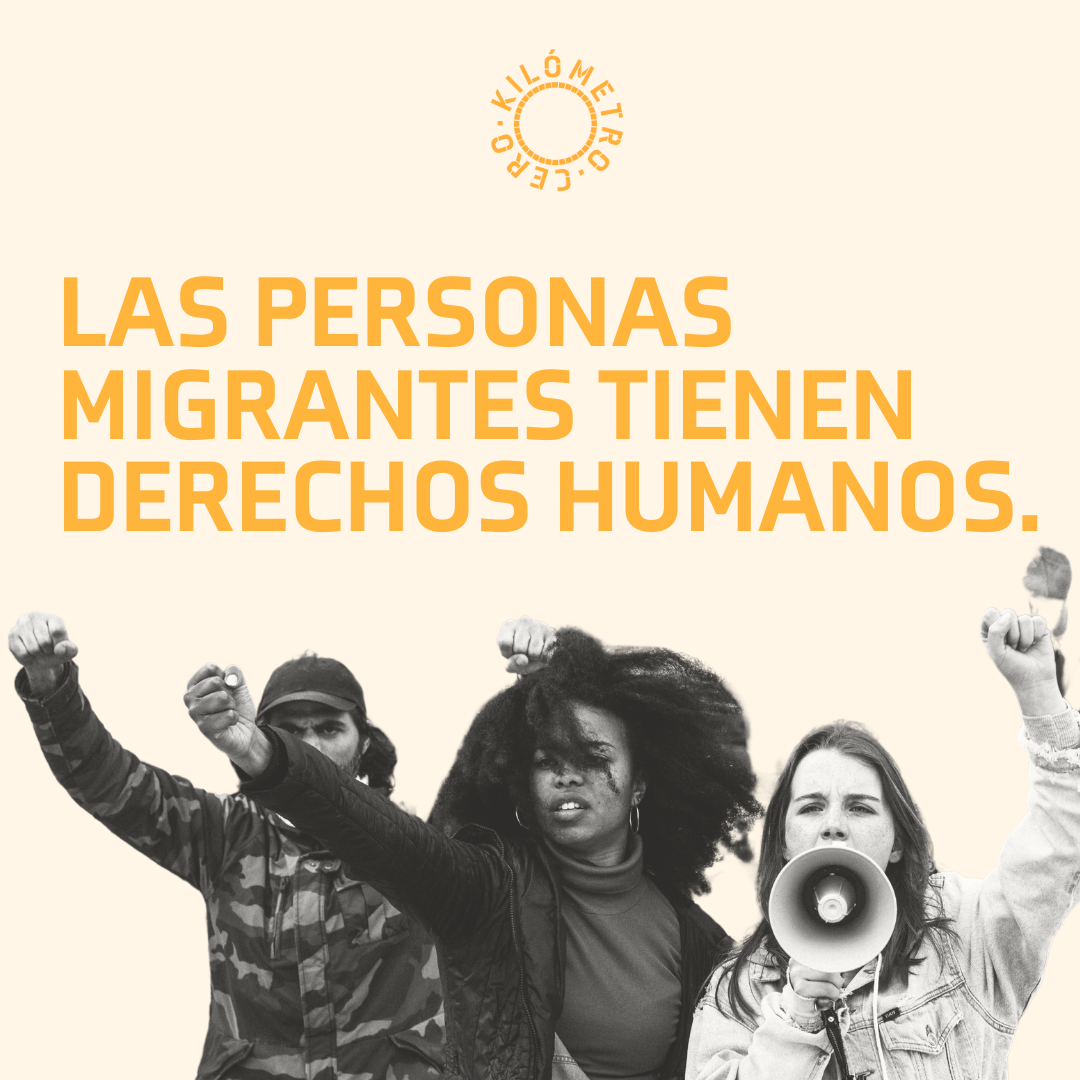
Demands for protection measures for the migrant community

The Front of Civil Society Organizations of Puerto Rico issued a public statement against President Trump's Immigration Policies and to demand protection measures for the migrant community.

Declaración pública del Frente de Organizaciones de la Sociedad Civil de Puerto Rico en Contra de las Políticas Migratorias del Presidente Trump y para exigir medidas de protección para la comunidad migrante

Read more about the declaration (in Spanish) here.

How to Sabotage Your Board


Carolyn Geason-Beissel/MIT SMR | Getty Images


Board governance can often be derailed by behaviors that undermine effective decision-making. In “How to Sabotage Your Board,” Jon Huggett and Dariusz Jemielniak identify 14 common actions—ranging from withholding critical information to creating factions—that can significantly hinder a board’s ability to function effectively.

The article emphasizes the importance of recognizing and addressing these behaviors to foster a culture of trust and collaboration. By proactively managing potential disruptions, organizations can ensure that their boards remain focused on their mission and deliver meaningful impact.

Learn more about how to identify and address these challenges in board governance here.

Passing the Torch, Lighting the Way


Equal Justice USA (EJUSA) undertook a leadership transition from a White founder to a Black executive director by implementing intentional strategies focused on racial equity.

The organization prepared by revamping its mission, diversifying its staff and board, and building a strong leadership bench. Proactive engagement with funders ensured sustained financial support, allowing the new leader to focus on advancing EJUSA’s vision without the burden of proving their worth under inequitable conditions. 

The authors emphasize the importance of proactive planning and institutional readiness to mitigate the systemic challenges leaders of color often face. Read more about Jamila and Shari’s leadership transition efforts here.

Field Learning from ~40 Robert Wood Johnson Foundation Grantees


Back in 2020, as the country was grappling with horrifying incidents of racial injustice and violence and a global pandemic, the Robert Wood Johnson Foundation funded a cohort of organizations seeking to advance their learning and progress on racial equity. This effort, called the Equity Learning Lab (ELL), involved almost 40 organizations, all of which are working on transforming health and healthcare with a focus on health equity.

When Public Equity Group began the ELL journey back in 2020, we knew that we wanted to create a space where we could share our most valuable stories, tools and resources, and insights from the ELL experience, as nothing quite like it, on its scale, had been done before. 

It is our greatest hope that these ELL resources will continue to support organizational efforts to cultivate inclusion and belonging for diverse teams, and more directly center racial equity in culture and strategy, to achieve more racially equitable outcomes. Now more than ever we are inspired to advance work that calls forth all of our community members’ beautiful talents and multiple intelligences - in service of equity and justice.