The James Irvine Foundation has launched a new initiative targeting Priority Communities: cities in inland California with growing, diversifying populations that represent the future of California.
Read more about the initiative here.

Your Custom Text Here
The James Irvine Foundation has launched a new initiative targeting Priority Communities: cities in inland California with growing, diversifying populations that represent the future of California.

Read more about the initiative here.

Karina Claudio Betancourt and Leticia Peguero call on their counterparts in philanthropy to see beyond the challenges in supporting Puerto Rico and recognize the vast opportunities and need - pointing to examples that have already been set in motion.
As we dig out from this latest disaster, we call on our colleagues in philanthropy to step up again and consider giving to groups on the island struggling with the effects of earthquakes that have deeply damaged infrastructure and disrupted Puerto Ricans’ daily lives.
The good news is the pathways for philanthropic support are clearer than ever.
Their Chronicle of Philanthropy article is titled: How Foundations Can Make a Difference After Puerto Rico’s Latest Natural Disaster
Highlights from an interview with past PEG Fellow Nicholas Pez, a Public Policy major at Stanford University.
CNE, on the occasion of its 20th anniversary, has published an annual report seeking to help rethink, renew and rebuild the island of Puerto Rico at a pivotal time.
“Over the last 20 years, CNE has championed the cause of a more productive and stable Puerto Rico. It seeks to find solutions to today's most pressing and complex economic development problems and inform policy debates by rigorously analyzing hard data and producing robust empirical research.”
Read CNE’s Annual Report Here

A letter from Coro Northern California CEO Laney Whitcanack:
If your Thanksgiving is at all like mine, there will likely be some awkward family conversations, charged political debates, and not enough gravy! It can be tempting to shy away from difficult conversations—but I urge you to seize the holiday as a chance to learn from multiple generations and viewpoints.*
In the Coro tradition, this is a moment to explore "what we don't know we don't know." We encourage you to use Thanksgiving as an opportunity to listen, ask questions, and learn. Our country and our communities need this now more than ever.
Here are resources that may help lay the groundwork for thoughtful—even hopeful—conversations this season:
READ: This Experiment Has Some Great News for Our Democracy (PDF version)
LISTEN: How to Have Constructive Conversations at a Divisive Thanksgiving
DO: The Thanksgiving Project’s Discussion Activity
Thank you for supporting Coro's enduring commitment to helping leaders work across differences! May your holidays bring wonderful times with family and friends.
With gratitude,
Laney Whitcanack
CEO & Coro Alumna
*Thanksgiving has a complex meaning in the U.S. For many, it is a day of fond family traditions and memories. It is also observed as a national day of mourning for the United American Indians of New England and other indigenous groups. In true Coro spirit, we believe that acknowledging complexities can help us embrace greater understanding and connection.
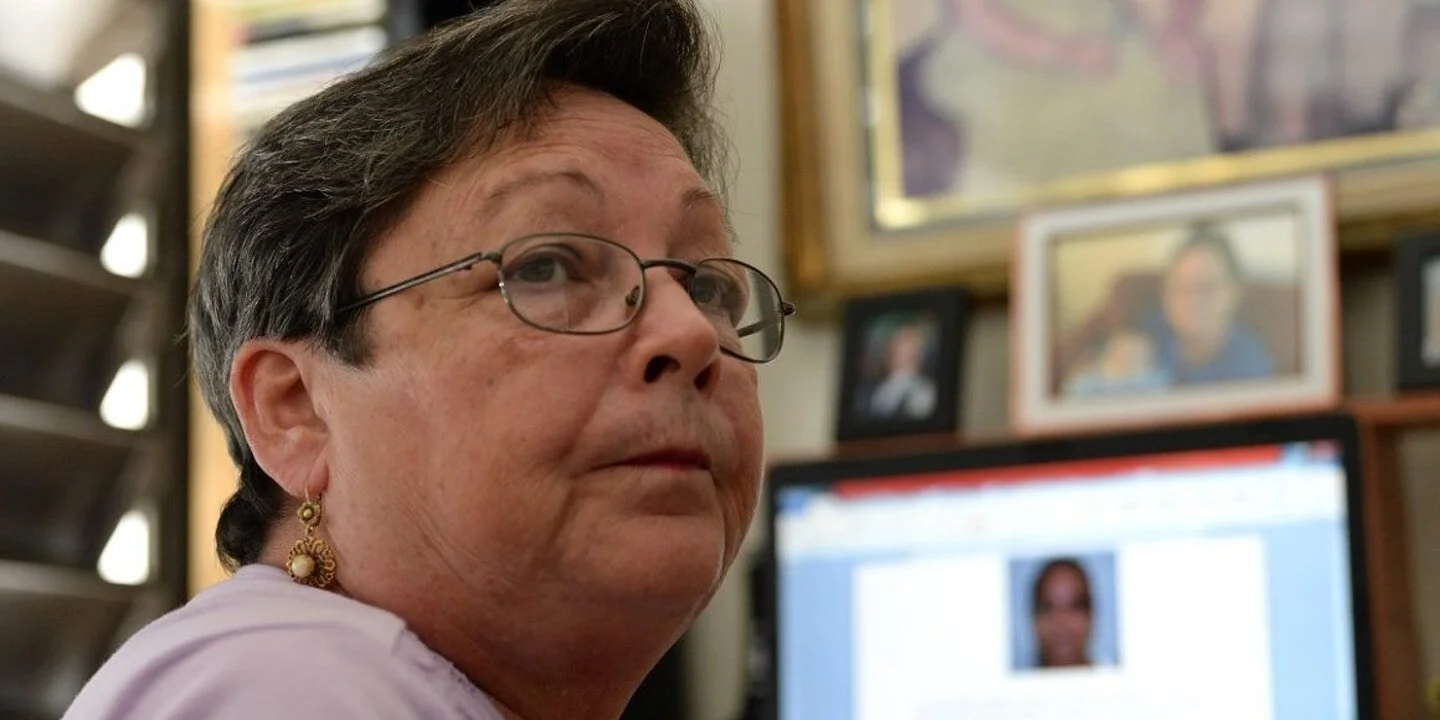
The Intercept: “Castelló, 65, spent her career working to support vulnerable Puerto Ricans, providing services to pregnant adolescents, people with mental health issues, and survivors of childhood sexual abuse. When she retired early in 2009, due to a back injury that made her commute impossible, she found herself looking for a way to keep working. Her colleagues working on issues of violence against women had long struggled with a lack of data, so Castelló began monitoring the news and keeping a running count of women reported dead or missing.”
https://theintercept.com/2019/11/16/puerto-rico-murders-femicide-police/
San Fransisco Chronicle: “AfroTech is ‘a really powerful gathering that’s about more than just tech. It’s really about the affirmation of people’s value and potential,’ said Cedric Brown, the Kapor Center’s chief foundation officer. ‘There are plenty of intellectual assets and capital that we possess in our community, and it’s playing out in this sector.’

“PBLWorks, the leading provider of professional development for high-quality Project Based Learning, has launched PBL School Leader Networks—two-year training programs that bring principals and their school leadership teams together to support the implementation of high-quality Project Based Learning at their schools, and sustain its momentum.”
https://www.pblworks.org/pblworks-introduces-pbl-school-leader-networks
New York Times: "Around 20 people were injured, and 17 were arrested, according to Mari Mari Narváez, the executive director of Kilómetro Cero, an organization that advocates for police accountability on the island"
https://www.nytimes.com/2019/07/27/us/puerto-rico-violence-protests.html


In this New York Times opinion editorial, Yarimar Bonilla shares elements of her biography alongside notable historical facts, to underscore Puerto Rico’s colonial legacy and the unequal opportunities Puerto Ricans face, such as being denied disability benefits which are available to citizens on the mainland.
Dr. Bonilla is the director of Centro, the Center for Puerto Rican Studies at Hunter College, and a professor of anthropology at the City University of New York Graduate Center.
Reach the opinion here.